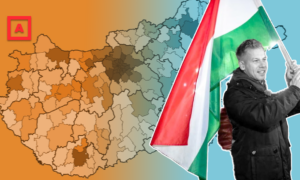

Hungary Votes for Change – Despite a System Built to Benefit Orbán
Hungary’s 2026 election brought historic political change, with the opposition overcoming a system tilted in favor of the ruling party.
Over the past two decades, systemic election fraud, vote-buying for money and drugs, and blackmail has ran rampant in the impoverished countryside of Hungary. We talked to the head of the volunteer group who decided to put a stop to this practice.
Conventional wisdom held that Fidesz has an iron grip on Hungary’s rural regions, however, this is exactly where Orbán's party suffered its most painful losses.
Tisza was not their first assignment: for years, they have been working against the political opposition using illegal, secret service methods.
Before the election, forged signatures helped candidates to get on the ballots, while election day rules effectively allow ballot stuffing, forged ballots, and vote buying.
In the final stretch of the Hungarian parliamentary elections campaign, dozens of voters have discovered their signatures used to support candidates they have never endorsed, nor heard of.
János Lázár, while belligerent with Hungarian reporters, was very cordial with the Russian journalist known for interviewing pro-Putin figures in European countries.
Before the last election, parties were polling similarly, with independent institutes predicting Fidesz's victory.
Polymarket hosts a betting option for the upcoming Hungarian election, where Péter Magyar currently leads in the odds – one user even bet over 225,000 USD on this outcome.
The numbers do not add up in the seemingly overpriced prgram from which the Orbán government’s main propaganda producer profits.
While opposition politician Péter Magyar has been crisscrossing the country in campaign visits, Orbán has so far been mostly absent from the campaign trail ahead of the 2026 elections.