

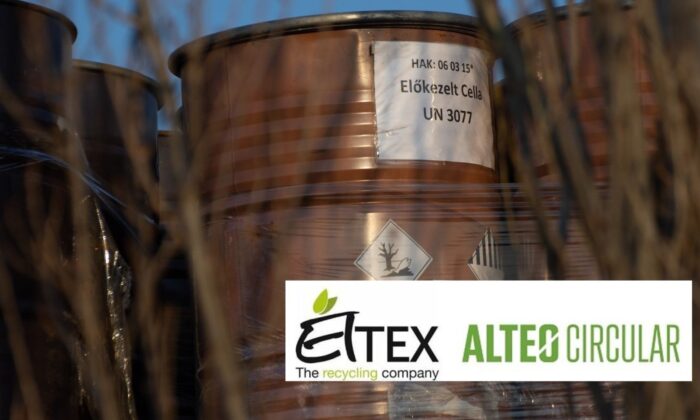
battery industry
Waste processing plant in Kistarcsa exposed its workers to carcinogens
Despite handling hazardous materials, the authorities did not require the battery waste processing plant to acquire an environmental permit.
Despite handling hazardous materials, the authorities did not require the battery waste processing plant to acquire an environmental permit.

The government has not only stoked anti-refugee sentiment but has also linked existing anti-Roma prejudices to this new enemy stereotype.
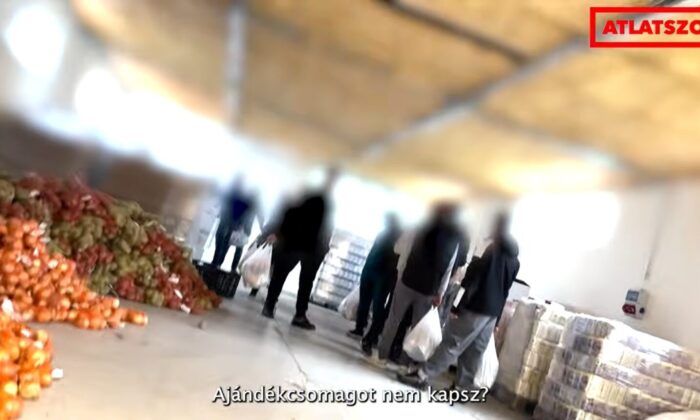
Hungary’s 2026 election brought historic political change, with the opposition overcoming a system tilted in favor of the ruling party.

Over the past two decades, systemic election fraud, vote-buying for money and drugs, and blackmail has ran rampant in the impoverished countryside of Hungary. We talked to the head of the volunteer group who decided to put a stop to this practice.
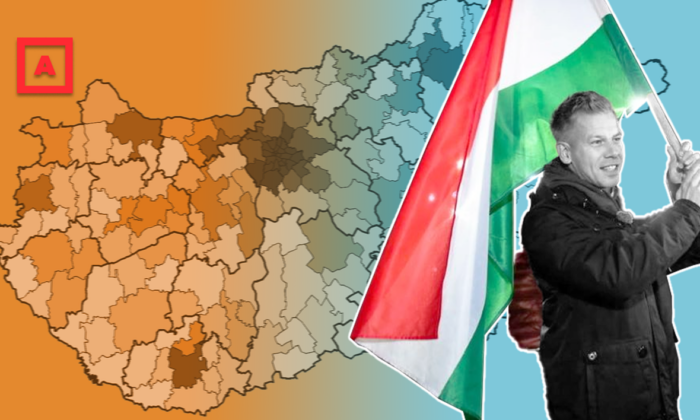
Conventional wisdom held that Fidesz has an iron grip on Hungary’s rural regions, however, this is exactly where Orbán's party suffered its most painful losses.

Tisza was not their first assignment: for years, they have been working against the political opposition using illegal, secret service methods.

Danube Institute, a center of Viktor Orbán's international unfluence network, cited “safety concerns” and “right to privacy” to keep high-paying government-funded contracts anonymous.
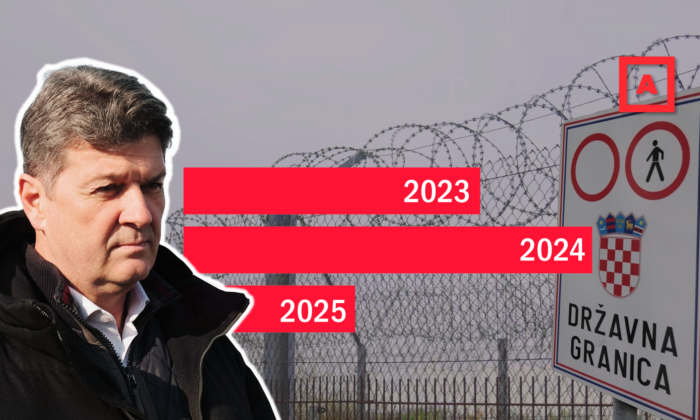
The government promised twice to detain and prosecute illegal migrants, but in the last few years, they did the opposite, while border protection costs surged.

Before the election, forged signatures helped candidates to get on the ballots, while election day rules effectively allow ballot stuffing, forged ballots, and vote buying.

Átlátszó obtained photos of Lajos Kósa behind the wheel of a Ferrari owned by Gábor Szilágyi, and other materials connecting the Fidesz politician to the bankrupt Bászna Gabona Zrt.
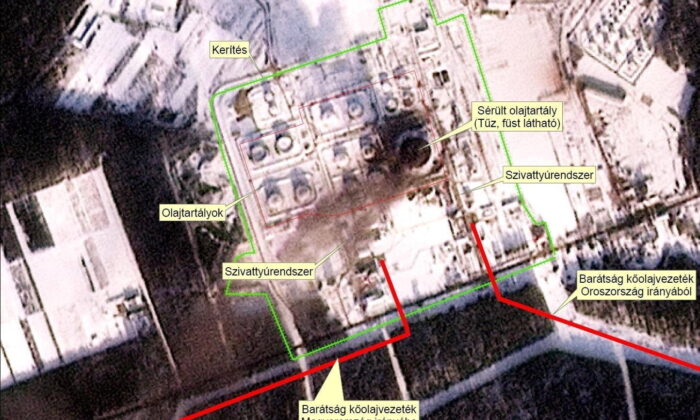
Amid the technical and political uncertainties surrounding the Druzhba pipeline and diplomatic tensions around the southern alternative route, Hungary’s position can no longer be described as an active distributor, but rather as an import-dependent and exposed country.
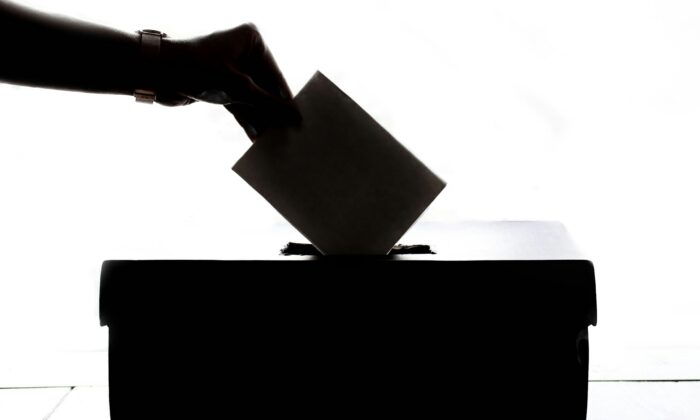
In the final stretch of the Hungarian parliamentary elections campaign, dozens of voters have discovered their signatures used to support candidates they have never endorsed, nor heard of.

Workers have been continuously exposed to carcinogens at the plant of the Korean SungEel company. The town is trying to block the renewal of the factory's permit in court.
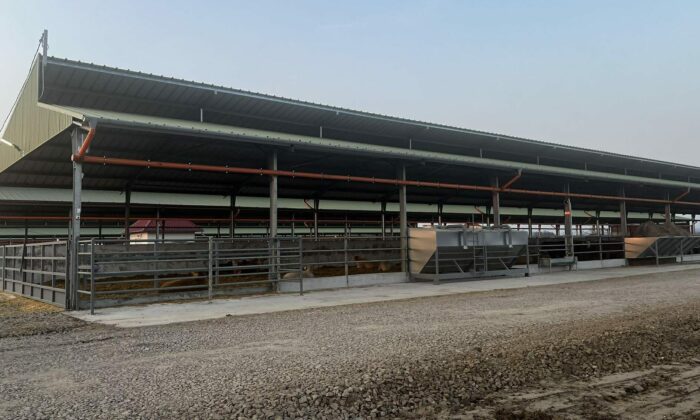
The company of János Süli’s son recieved over 2 million EUR to build a cattle farm, but for 6 years no cows were seen at the property - until now.

The documentary features former and current journalists from Átlátszó, other experts, and, in our archival footage, Lőrinc Mészáros himself.
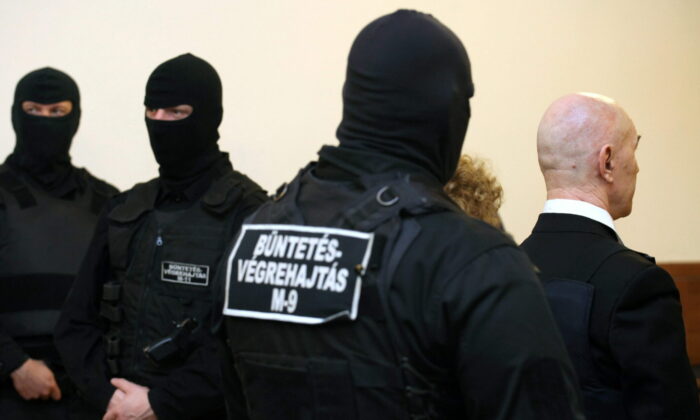
Jozef Roháč, infamous hitman of Hungary’s 1990s criminal underworld admitted responsibility for a series of unsolved bombings that influenced the 1988 elections.
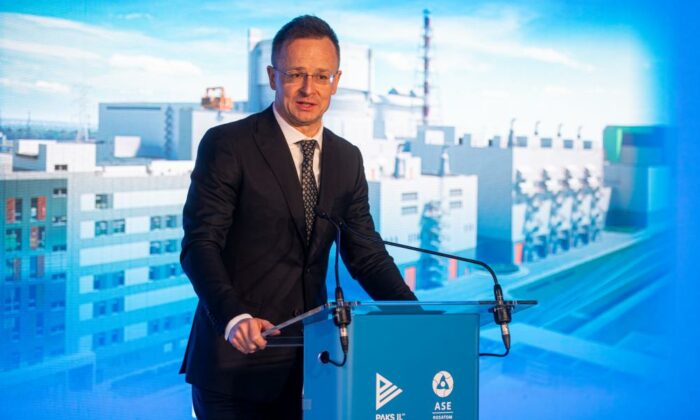
If the minister knew about this, he kept it quiet, if he did not know about it, then the government is following the events with a considerable lag.
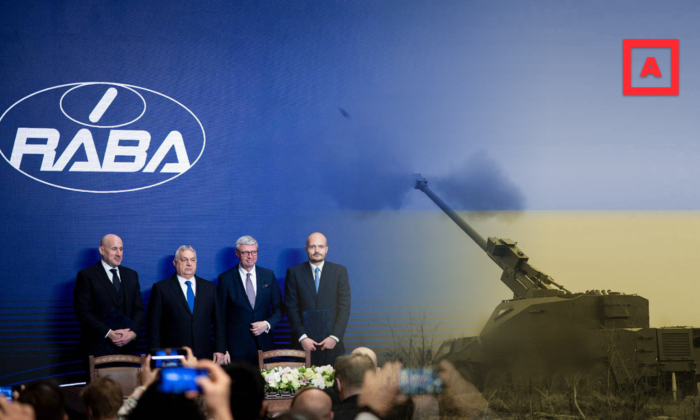
Viktor Orbán is staking his reelection on an anti-Ukraine campaign while welcoming investment by arms manufacturers that are also key suppliers of the Ukrainian armed forces.
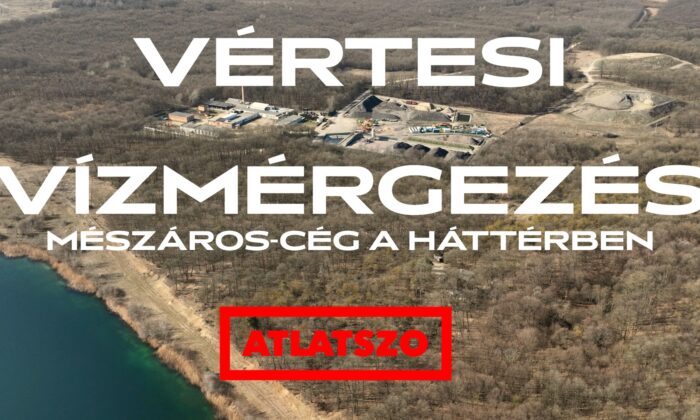
According to local civil society groups, the company's site pollutes a nature reserve and endangers the drinking water of nearby settlements.
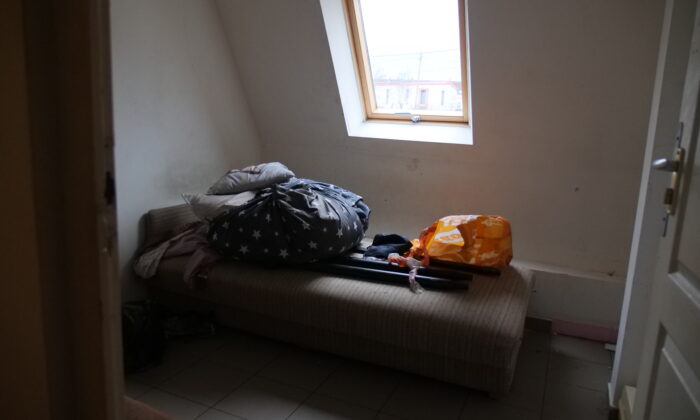
Four years after the start of Russia’s invasion of Ukraine, thousands of Transcarpathian refugees are still scraping by in Hungary from one day to the next.
