

Thousands of Transcarpathian Refugees Live Day to Day in Hungary

Four years after the start of Russia’s invasion of Ukraine, thousands of Transcarpathian refugees are still scraping by in Hungary from one day to the next. In August 2024, the government withdrew housing support from those who, in its view, had not arrived from a “direct combat zone”. Hundreds of families – mainly women, children, Roma and people living with chronic illnesses or disabilities, almost all of them Hungarian – were left on the street with a single stroke of the pen. Although a court later ruled the decisions unlawful, the evictions had already taken place. On the anniversary of the Russian-Ukrainian war, we visited a Transcarpathian family at a workers’ hostel in Budafok.
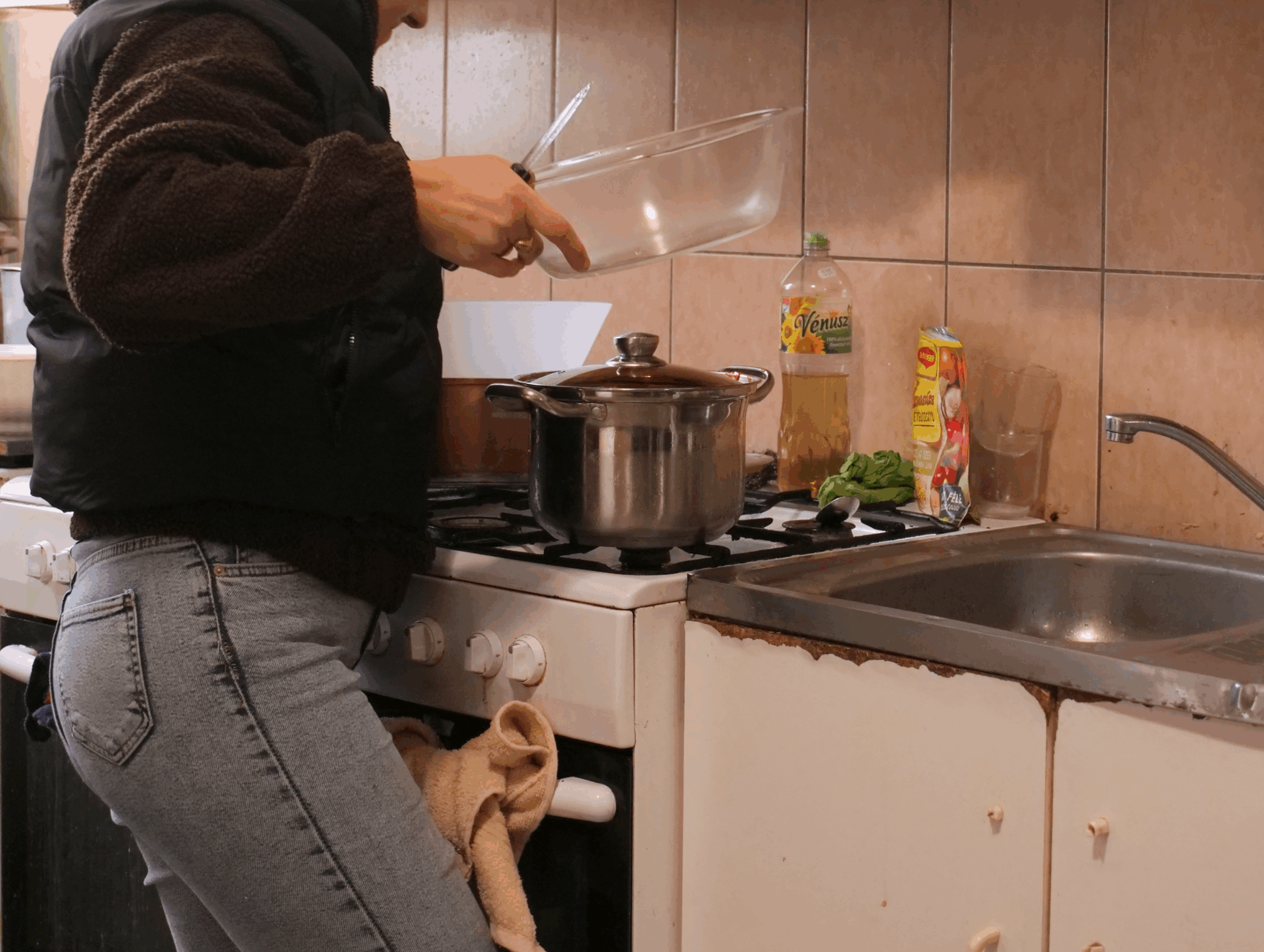
We are sitting in the kitchen of a workers’ hostel on a quiet street in Budapest’s 22nd district. Worn linoleum, grease stains on the wall, two pots simmering on the stove. In the concrete yard, children are running around; a little girl wobbles in the kitchen doorway, two little boys hide in a dark corner, then reappear, as if playing hide-and-seek with uncertainty. Three women sit across from me; a fourth stirs lunch. They do not want their faces to be shown.
On February 24, it was four years since Russia launched a full-scale attack on Ukraine at dawn under the name of a “special military operation”. The story of Mária, Lea and Veronika (we’ve changed their names) is not unique: they are among the nearly four thousand Transcarpathian refugees who fled the horrors of war to Hungary, and whom the Hungarian government put out on the street with a single decision in August 2024.
They had six days
Transcarpathia is the region of Ukraine bordering Hungary, home to the largest Hungarian minority.
“We came from near Berehove. We had good living conditions until the war broke out. But now that there is war, the men cannot return home,” Mária begins. They set off on February 24, 2022, the day the war began, first heading to Budapest. At that time, housing support from the government was still available to those arriving from Transcarpathia. “They brought a lot of food too, they supported us with everything they could,” Veronika recalls of the atmosphere at the time. After the initial spontaneous help in the first months, however, assistance gradually shrank, and the resources of civil organizations have been steadily running out.
“Now we get nothing. We survive as best we can,” she says.
Credit: Bence Bodoky / Átlátszó
Their story did not begin at this workers’ hostel: the ten-member family had previously lived for two years in Kocs, Komárom-Esztergom County, in container housing set up for beneficiaries of temporary protection. Under the hastily adopted government decree, however, refugees arriving from Transcarpathia are no longer entitled to accommodation or basic provisions, because, according to the government’s reasoning, they did not come from areas where “direct combat operations” are taking place.
The Russian army has launched air attacks several times over Mukachevo, the region’s second-largest city, and Várkulcsa, also in Transcarpathia; but beyond the attacks, the region has not been spared power outages, strikes against infrastructure, inflation, shortages of food and medicine or mobilization.
The list of those entitled was compiled by Norbert Pál, the government commissioner responsible for “persons fleeing the Russian–Ukrainian war to Hungary.” Those belonging to the “Hungarian minority with the most difficult fate” – as Transcarpathian Hungarians are sometimes described – and already living in Hungary were given just six days over the summer to submit requests for special consideration in order to avoid ending up on the street. The government commissioner rejected around eighty percent of the applications, all without justification, and the government neither consulted anyone in advance about the decree withdrawing benefits nor at the time of its introduction. In fact, earlier, in response to questions from 444, they denied that anything of the sort was being planned.
From the shelter in Kocs, more than a hundred women and children – including Mária’s family – were evicted on August 21, 2024, in front of the press.
The family was eventually allowed to move back into the accommodation – which in their case consisted of a single room, a bathroom and a toilet – but only for a monthly rent of 530 euros (200,000 forints, half of the average monthly salary in Hungary). The owner stated he no longer received state support either.
Credit: Bence Bodoky / Átlátszó
Despite this, Mária’s family is grateful to him. “He had to pay the utilities for us, the water, the electricity. Sometimes he even let it go when we couldn’t pay, because he saw how we were living. We couldn’t sit on his neck any longer,” she says.
The Supreme Court ruled in their favor – but to no avail
Most of the Transcarpathians fleeing to Hungary are of Hungarian nationality, women and children, including Roma, some of them Hungarian-Ukrainian dual citizens. With the decree, the government put hundreds of refugee families – approximately four thousand people, mostly minors, single mothers and their children, including those living with serious illnesses or disabilities – out on the street.
Quoting Sándor Spenik, director of the Ukrainian–Hungarian Institute at Uzhhorod University, 444 wrote at the time that officially 350,000 internally displaced people may have arrived in Transcarpathia from eastern Ukraine, but in reality the number could be even higher, as many do not register with the authorities. Numerous Ukrainian companies also relocated to Uzhhorod, the region’s largest city: within two years, the city’s population has at least doubled and may now be well over 200,000. According to another earlier report by the outlet, Transcarpathians – and within that group, Transcarpathian Roma in particular – constitute the most stigmatized group among those fleeing the war in Ukraine, having already lived in extreme segregation in their homeland.
Although many initially lived under better conditions in Hungary, they have had little contact with the majority society here as well, and without targeted assistance they struggle greatly to get by.
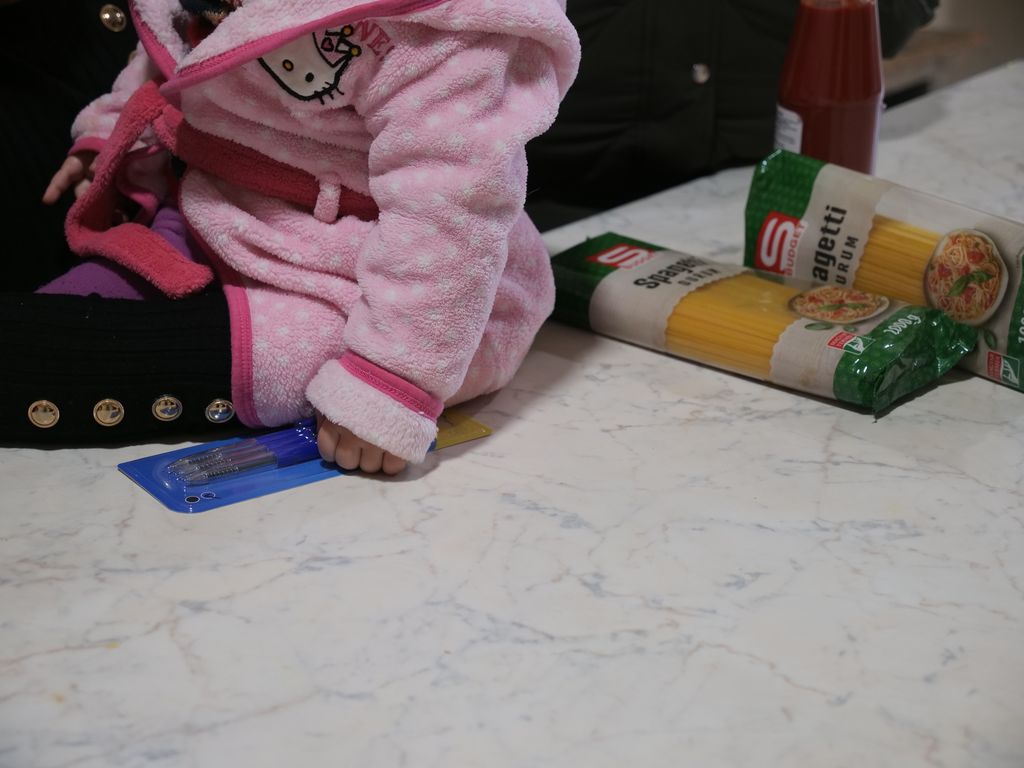
Only estimates are available regarding the number of Transcarpathian Hungarians and the proportion of Roma among them, making it difficult to determine how many Transcarpathian Roma hold Hungarian citizenship. However, research conducted among Transcarpathian Roma living in refugee shelters in Budapest indicates that the majority are indeed Hungarian-speaking and identify as Hungarian. Although their economic opportunities, places of residence and sociocultural backgrounds vary widely, what they share is that they are not, or only marginally, part of the Transcarpathian Hungarian-Ukrainian community, and they are even less integrated into society than Roma in Hungary.
Credit: Bence Bodoky / Átlátszó
In August 2024, the Hungarian Helsinki Committee representing the refugees turned to the courts: first the Metropolitan Court, then last May the Supreme Court ruled that people cannot be simply put out on the street without reasoned decisions; the government commissioner’s decisions did not meet legal requirements, as applications cannot be rejected without justification.
Although the rulings opened the way for the families’ situations to be reconsidered, by then the evictions had already taken place. The uncertainty has persisted ever since.
Ten people live in three rooms
Meanwhile, in the heat of the upcoming parliamentary elections of April, government communication has taken on very different emphases. At a public meeting in Hatvan on January 31, Prime Minister Viktor Orbán said:
“Even now there are thirty thousand Ukrainians in Hungary who have jobs here. There was a big debate about this as well, but in the end we decided that we would help these thirty thousand Ukrainians who have arrived here. They cannot receive a single penny more in assistance than Hungarians living here, but whatever Hungarians receive, they will receive as well.”
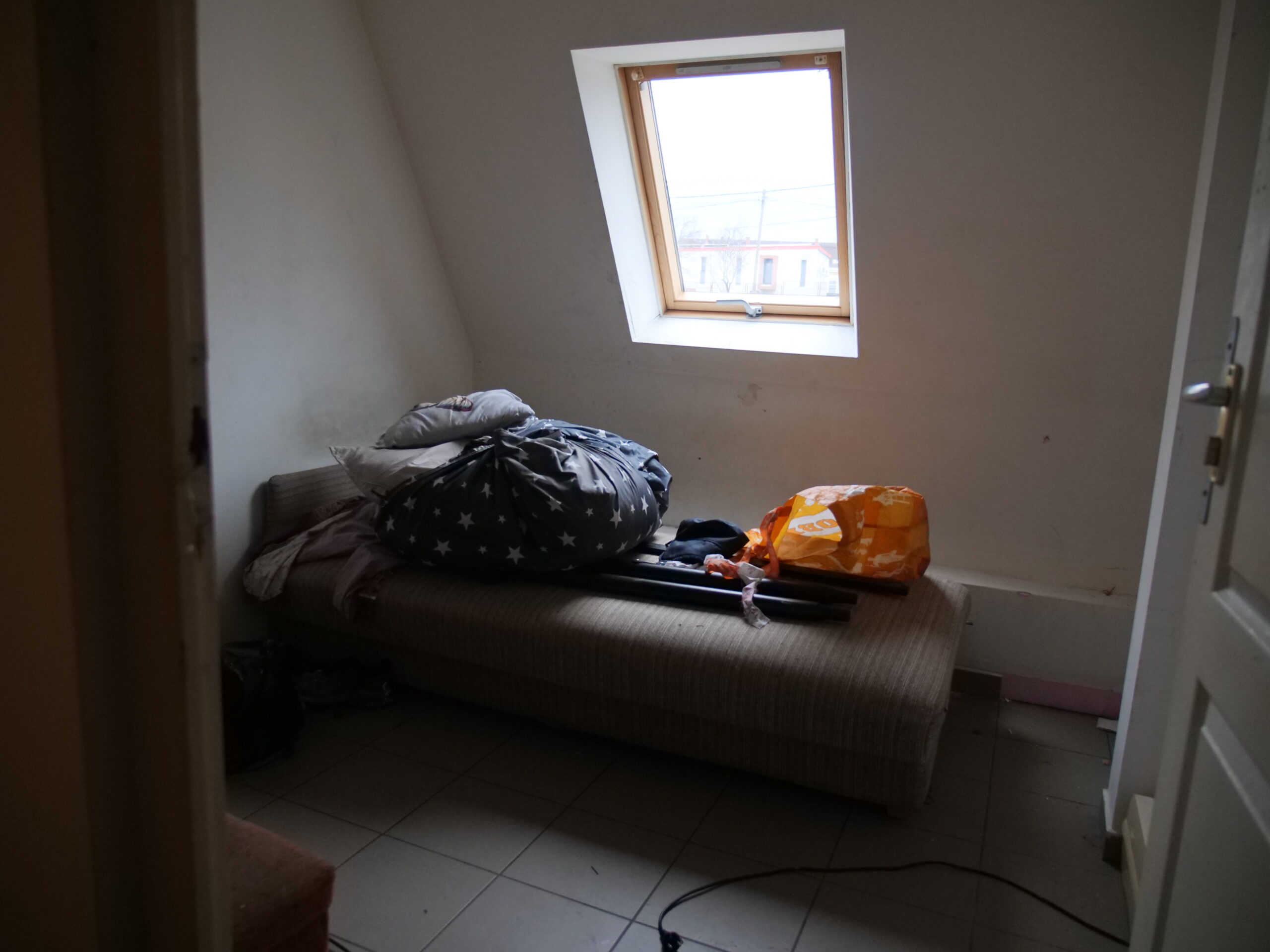
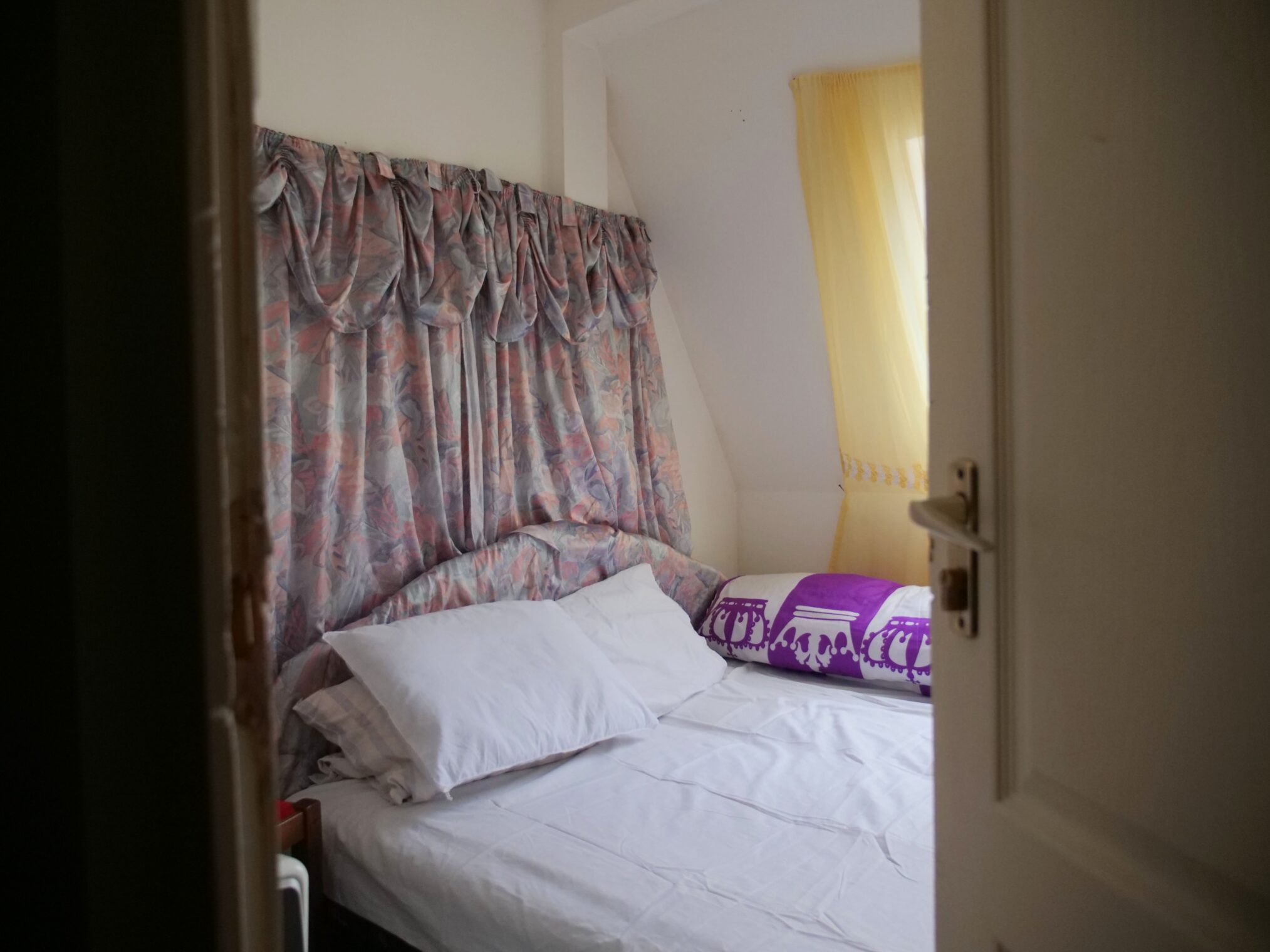
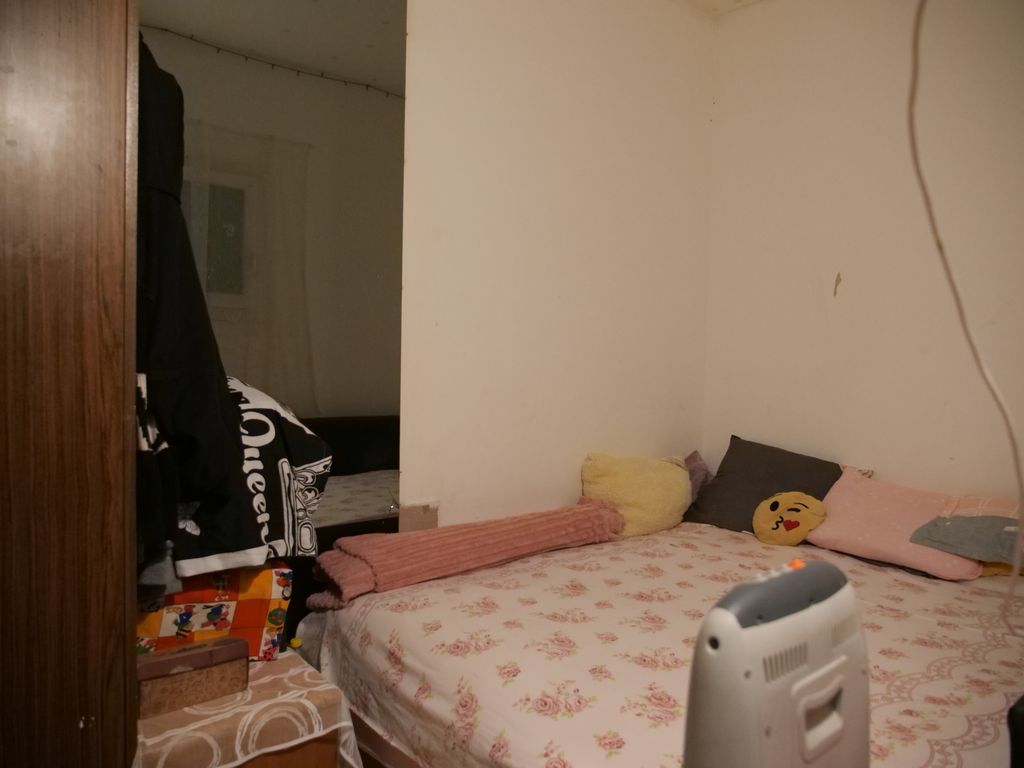
Sitting in the kitchen of the workers’ hostel, it is hard to determine exactly what these families receive from what “Hungarians receive”. Mária’s family now squeezes into three tiny rooms. The base rent is now 186 euros (70,000 forints) per room, plus common charges and utilities. The washing machine, bathroom and kitchen are shared; in the furnished rooms there is nothing but one double bed.
Credit: Bence Bodoky / Átlátszó
The family arrived here with a total of 40,000 forints. At present, two men are with them: one is originally a house painter and tinsmith but currently has no job because of the constant moving; the other has severe diabetes. According to Mária – who herself has heart disease and therefore also struggles greatly to find work – because they do not have valid health insurance in Hungary, they can no longer obtain insulin. “The children do not go to school because they have no school supplies. But at least here they don’t take the boys away. At the border, they take them,” she says.
Although the government regularly argues that Transcarpathia does not qualify as a direct combat zone, it less often mentions that under the European Union’s Temporary Protection Directive Hungary would be obliged to provide all refugees arriving from Ukraine with basic care – housing, healthcare, education. This temporary protection previously also extended to dual citizens. The families left to fend for themselves can now at most rely on the so-called subsistence allowance, which amounts to around 60 euros (23,000 forints) per month for adults and 37 euros (14,000 forints) for children.
A ten-member family like Mária’s would thus have to sustain itself on a total of 530 euros (200,000 forints) per month.
“We were poor before as well,” Mária says. “But there was a community, and that kept us going.” Since the war, that community has scattered: those who could left further west to Austria, France or Germany. “We don’t want to go there, it’s too far. But there’s nowhere to return home to either. We will have to completely rebuild our entire lives,” Lea takes over, her voice breaking.
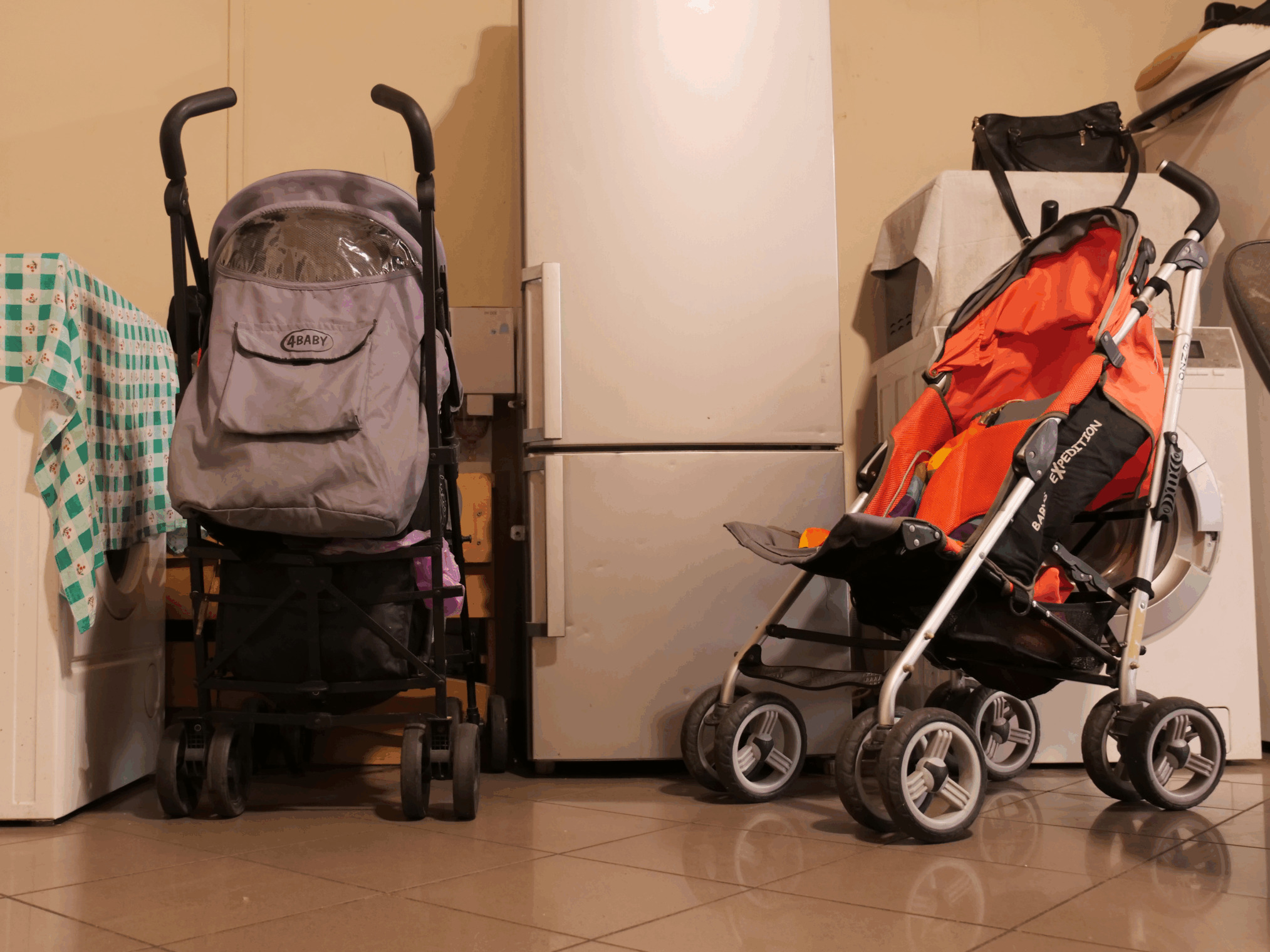
Meanwhile, lunch is ready. These women are at once hosts and refugees, mothers and plaintiffs, statistical data and flesh-and-blood human beings. Four years after the outbreak of the war, tens of thousands of Ukrainian citizens are still living day to day in Hungary. Many of them work, many move on; some have chosen to return home, and some have been living for years on the frontline of legal and political disputes between unfamiliar, cold walls.
Credit: Bence Bodoky / Átlátszó
Regarding the issue, we sent questions to Government Commissioner Norbert Pál and to the government as well. From the government commissioner, we wanted to know on what basis Transcarpathia was classified as “not a direct combat zone,” and what justified rejecting around eighty percent of the applications – in many cases without explanation. We also asked whether there had been a review of previous decisions following the Supreme Court’s ruling.
From the government, we asked how many Ukrainian citizens are currently living under temporary protection in Hungary, how the withdrawal of support can be reconciled with EU regulations, whether they plan to amend the decree in light of the court rulings, and how they ensure access to healthcare and education for the affected families. After the publication of our article, Government Commissioner Norbert Pál sent the following response to our questions:
“Since the outbreak of the Russian-Ukrainian war, Hungary has carried out the largest humanitarian assistance effort in its history. Over the past four years, more than 1,460,000 people have declared that they are fleeing the war, nearly 700,000 times assistance has been requested from Hungarian authorities or charitable organizations, and nearly 56,000 people have applied for temporary protection status. However, the number of people fleeing and staying in Hungary is higher than this: many Ukrainian–Hungarian dual citizens arrived in our country after the outbreak of the war, and Ukrainian citizens with biometric travel documents may stay in the country visa-free without applying for temporary protection status. In Hungary, every person fleeing from Ukraine is safe: they may apply for recognition as beneficiaries of temporary protection, they may work, their children may study free of charge in Hungary, and we have introduced a special catch-up program for children nationwide. In addition, those fleeing from Ukraine are entitled to free healthcare and certain social benefits. The forms of accommodation have changed in recent times – in line with regional practice – but the means of obtaining accommodation remain available, in certain cases linked to employment. In the case of Ukrainian citizens who are able to work and have been living in Hungary for years, ensuring independent subsistence, primarily through employment, is also a fundamental expectation.”
Written and translated by Hanna Solti. Photos: Bence Bodoky / Átlátszó. Hungarian version of the story.
Share:
Your support matters. Your donation helps us to uncover the truth.
- PayPal
- Bank transfer
- Patreon
- Benevity
Support our work with a PayPal donation to the Átlátszónet Foundation! Thank you.
Support our work by bank transfer to the account of the Átlátszónet Foundation. Please add in the comments: “Donation”
Beneficiary: Átlátszónet Alapítvány, bank name and address: Raiffeisen Bank, H-1054 Budapest, Akadémia utca 6.
EUR: IBAN HU36 1201 1265 0142 5189 0040 0002
USD: IBAN HU36 1201 1265 0142 5189 0050 0009
HUF: IBAN HU78 1201 1265 0142 5189 0030 0005
SWIFT: UBRTHUHB
Be a follower on Patreon
Support us on Benevity!
