

Independent media outlets were reportedly blacklisted by government advertising agencies

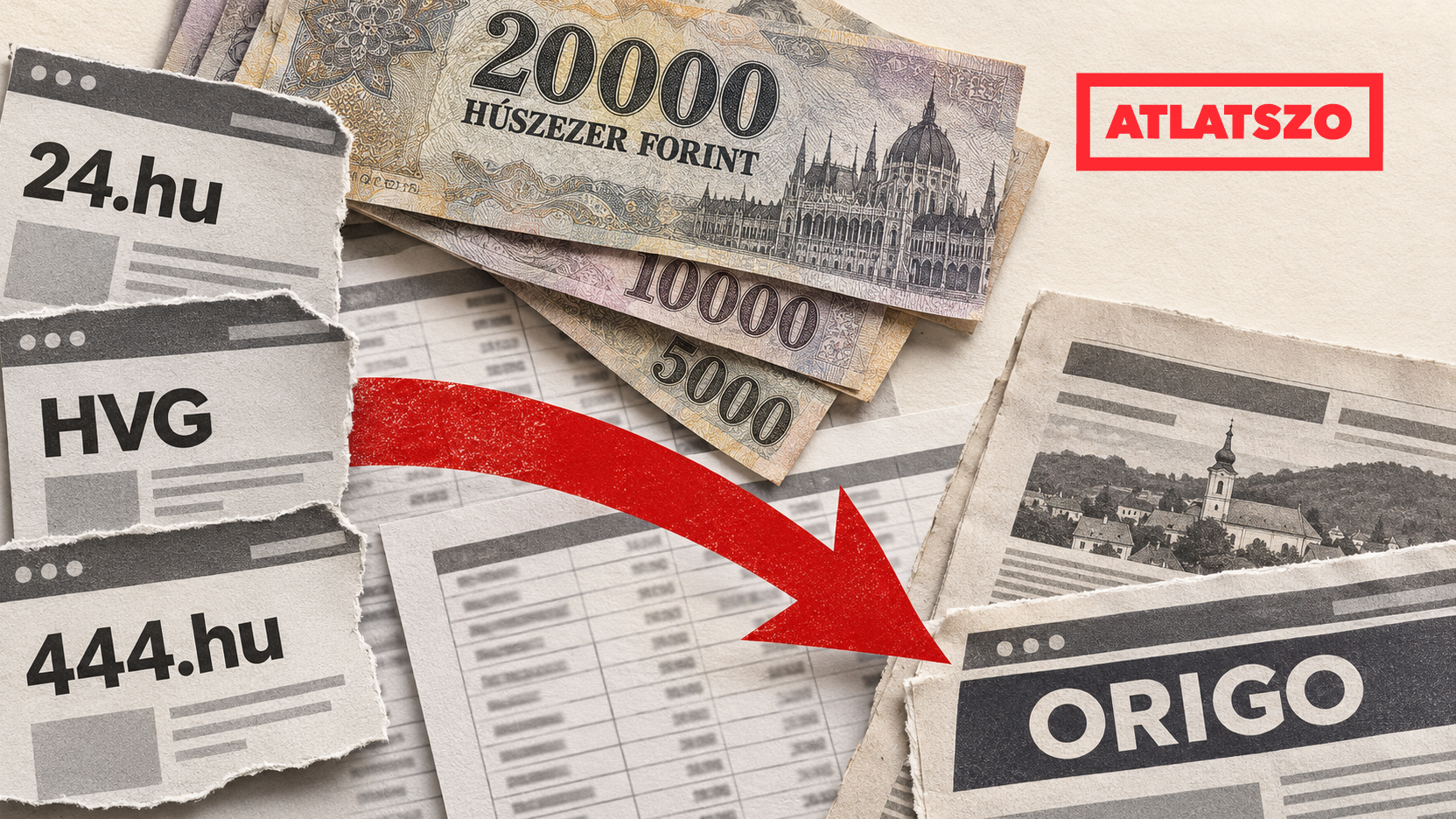
Hungary’s media regulator says advertising companies owned by businessman Gyula Balásy repeatedly refused to place publicly funded advertisements in independent media outlets, including HVG, 24.hu and 444.hu. Instead, the agencies favoured pro-government and other selected publishers. The findings are consistent with Átlátszó’s earlier investigation into HUF 109.6 billion (EUR 300 million) in government advertising expenditure, which revealed that 76 percent of the money went to government-aligned media companies.
Hungary’s National Media and Infocommunications Authority (NMHH) published a statement on 17 November detailing its experiences with New Land Media and Lounge Design, two advertising agencies owned by businessman Gyula Balásy, a major contractor for government communication campaigns during Viktor Orbán’s administration.
Between 2019 and 2026, the media regulator paid the two companies a total of HUF 1.5 billion (EUR 4 million) for media planning and advertising purchases.
According to the authority, its staff repeatedly requested changes to advertising plans prepared by the agencies, arguing that alternative publications and websites would reach the intended target audiences more effectively. However, the companies rarely agreed to these requests, instead offering larger discounts from their preferred advertising suppliers.
The regulator identified several publications that its employees described as effectively blacklisted, including independent news websites 24.hu, HVG and 444.hu, as well as the women’s magazine Nők Lapja.
Other less-favoured outlets included Magyar Narancs, Eduline, WMN, Kreatív, the food website Nosalty and several popular magazines. Instead, New Land Media reportedly recommended alternative outlets such as the pro-government news website Origo, the weather portal Köpönyeg, and magazines including Fanny, Hot! and Blikk Nők.
The regulator said that publications belonging to the Mediaworks group and the then Ringier Hungary portfolio were generally favoured.
Advertising in regional newspapers and numerous local government publications marketed by Village Media was also consistently possible. The NMHH’s findings are based on its employees’ experiences and correspondence with the agencies. The authority did not publish a campaign-by-campaign breakdown showing the final allocation of advertising expenditure.
Átlátszó’s investigation revealed a similar pattern
The regulator’s statement reinforces the findings of Átlátszó’s earlier investigation into Hungary’s government advertising system. After a lengthy freedom of information lawsuit, Átlátszó obtained more than a thousand documents relating to advertising contracts managed by the Prime Minister’s Cabinet Office through Balásy’s companies.
Our subsequent analysis of an expanded database containing approximately 39,000 individual transactions revealed that 76 percent of the HUF 109.6 billion in advertising expenditure went to government-aligned media outlets and media market companies.
Mediaworks, a central pillar of the former government’s media network, was the largest beneficiary, receiving approximately HUF 34.3 billion. Village Media intermediated advertising worth around HUF 10 billion.
Meanwhile, the database contained no advertising purchases on the independent news websites hvg.hu and 444.hu.
The records also highlighted the financial dependence of several major media companies on government advertising. Based on their financial statements, Átlátszó estimated that without advertising expenditure from the Cabinet Office, Mediaworks would have recorded a loss of HUF 8.9 billion, the TV2 group a loss of HUF 9.7 billion, and Village Media a loss of nearly HUF 2.8 billion over the period examined.
The NMHH’s largest advertising project with Balásy’s companies was the nationwide Netre fel! campaign, launched in 2021 to encourage people aged over 65 to use digital devices and online services more confidently.
Although the regulator’s contract with New Land Media remains valid until the end of December 2026, NMHH stated that it has made no payments to the company since April.
The newly disclosed experiences of the media regulator provide further evidence of how government-funded advertising was channelled towards selected publishers under the previous administration, while several independent news organisations were excluded from the advertising plans examined.
The English summary was prepared with help of artificial intelligence. Read the original Hungarian article here. Cover image: montage by Átlászó
Share:
Your support matters. Your donation helps us to uncover the truth.
- PayPal
- Bank transfer
- Patreon
- Benevity
Support our work with a PayPal donation to the Átlátszónet Foundation! Thank you.
Support our work by bank transfer to the account of the Átlátszónet Foundation. Please add in the comments: “Donation”
Beneficiary: Átlátszónet Alapítvány, bank name and address: Raiffeisen Bank, H-1054 Budapest, Akadémia utca 6.
EUR: IBAN HU36 1201 1265 0142 5189 0040 0002
USD: IBAN HU36 1201 1265 0142 5189 0050 0009
HUF: IBAN HU78 1201 1265 0142 5189 0030 0005
SWIFT: UBRTHUHB
Be a follower on Patreon
Support us on Benevity!
