

Átlátszó celebrates 15th birthday with mission unchanged

Fifteen years after its launch, Átlátszó remains committed to the same principles it was founded on: independent, fact-based investigative journalism, public data requests, transparency, and open access. What began in 2011 as a small nonprofit experiment with no start-up capital has grown into a widely read investigative newsroom whose work reaches readers across Hungary and beyond. As the media landscape, political environment, and audience habits have changed, Átlátszó has also evolved — but its core mission has not.
Fifteen years ago, after leaving Index, I launched the first iteration of Átlátszó on the Fourth of July. The date was no coincidence: as a journalist at Index, I had become convinced that bold, American-style investigative journalism was only conceivable within the framework of a truly independent publisher and editorial team. Since nothing of the sort existed in Hungary at the time, I decided that this was where I had to start.
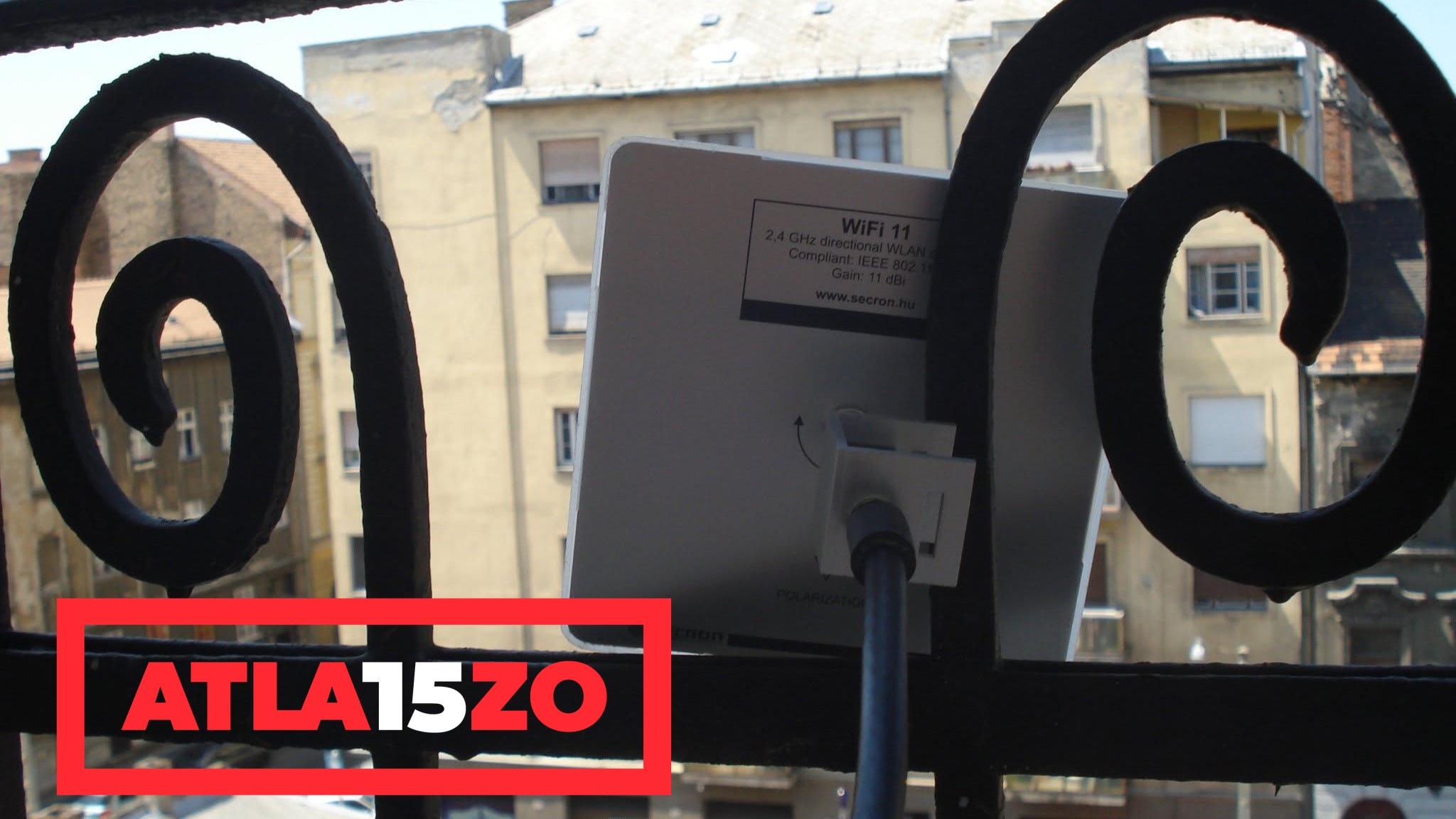
Even though few people at the time considered my idea viable, we embarked on this adventure without any start-up capital and with just a few volunteers: a lawyer, an IT specialist, an encrypted hard drive, and a Wi-Fi antenna. This eventually led to the creation of Hungary’s first nonprofit investigative news portal.
The government’s response to this novel idea was swift:
the National Bureau of Investigation seized the encrypted hard drive about two weeks after we launched.
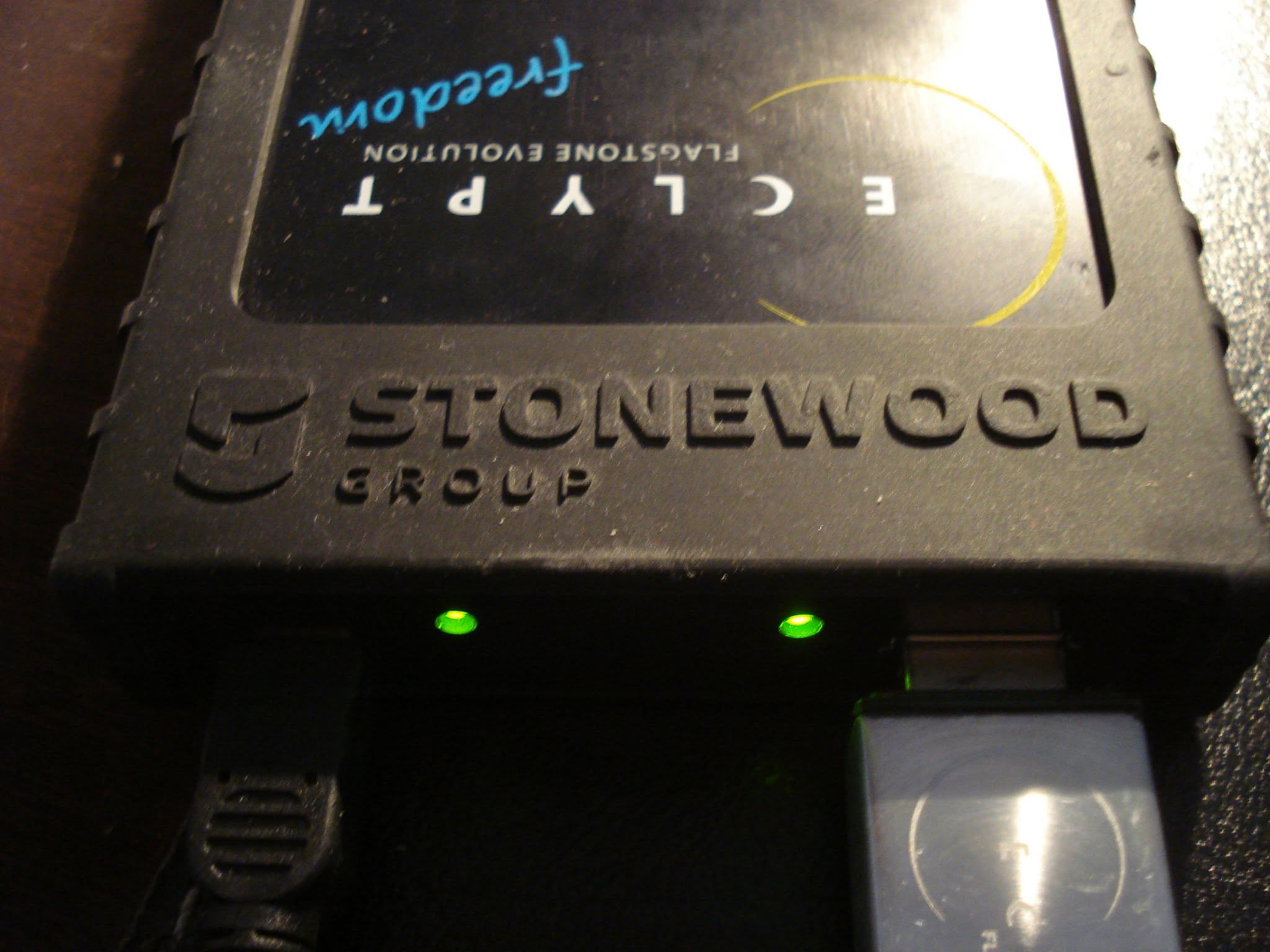
Our encrypted hard drive, named “Freedom,” was confiscated by the National Bureau of Investigation, but they were unable to crack it
But we managed to come out of that unscathed, and we have been fighting ever since — most recently, by successfully defending ourselves against, and outliving, the so-called Sovereignty Protection Office.
The concept behind what became Átlátszó was simple: fact-based journalism relying on investigative reporting and public data requests — sometimes public data lawsuits — free from political sponsors, combined with the socialization and promotion of freedom of information through a public data request system. This was complemented by Magyarleaks, a secure mailbox created to provide anonymity to whistleblowers in case requesting public data became more difficult — which, indeed, is exactly what happened under the increasingly repressive Orbán regime.
There was one thing we lacked from the very beginning: an advertising sales team, or any other commercial operation. While much of the Hungarian media increasingly turned to subscription-based services, we remained firm in our belief that everyone should have access to the information we uncover, not just those who can afford it.
Over time, we went from being pioneers of crowdfunding to becoming one of the last bastions of open access.
A decade and a half has passed since Átlátszó was launched. Hungary has changed a lot, and the press even more so: more independent newsrooms have been launched and come under fire from those in power, and many have adopted the very approaches we first pioneered — for example, the promotion of crowdfunding and 1% personal income tax donations.
Here are the results of our reader survey
Over the years, while our principles have remained the same, our audience and content have grown and changed significantly. In the past two years, we have asked our readers to tell us about themselves, what they like to see, and what they would like to see on Átlátszó. Our audience survey shows that today, Átlátszó reaches a very broad cross-section of Hungarian society: our readers can be found in every age group, in a wide variety of employment situations, and in both the smallest and largest communities.
The vast majority — 66% — of respondents to our survey live outside Budapest, and 15% live in villages with fewer than 5,000 residents.
Over the past year, the proportion of Átlátszó readers living abroad has increased slightly, to 7.2%. A significant part of our audience has been following us since 2011, as shown by the fact that the largest age group within our readership remains the 45–54-year-old cohort, at 29.6%. However, in the past year, we have also begun attracting a new, younger audience: this year, the share of readers under 45 grew to 24.7%, a 4-percentage-point increase compared with last year.
This shift is at least partly connected to changes in our content — most importantly, the growing significance of video production. While most readers still access Átlátszó’s content via social media, most often Facebook and Instagram, the second-largest group consists of those who primarily follow our YouTube channel: 37.7% of respondents. This is a larger segment than those who regularly browse our homepage, at 31.9%.
It is also interesting to note that last year, more people found our articles through hyperlinks on other news sites, at 32.5%, than by browsing our homepage.
This shows that our investigative reports have a significant impact in the Hungarian media and reach readers who are not part of our regular audience.
Of course, this does not mean that video content is replacing written articles. The vast majority of respondents — 79.8% — said they read online articles every day, while only 55.6% watch online videos on a daily basis. However, videos are becoming an increasingly important part of our content.
As our readers have surely noticed, we are now posting videos on our YouTube channel more regularly than before, including interviews, on-the-spot reporting, even full-feature documentaries.
Our readers have also suggested areas for improvement, topics for future investigations, and new ways of presenting our findings, such as short summary videos and more mobile-friendly layouts. We are already taking steps to meet these needs, and readers will soon begin to see new features on our sites.
On Átlátszó’s fifteenth birthday, we feel not festive self-satisfaction, but gratitude and a sense of responsibility. Gratitude toward those who made this work possible, and a sense of responsibility to continue it. In the years to come, there will still be a need for persistent, data-driven, legally sound journalism that is not swayed by political expectations.
There will be a need to investigate local issues, document environmental destruction, track public funds, request data in the public interest, and scrutinize decisions made by the state and local governments. We consider it important to note that the work of the independent media remains just as necessary after the elections as it has been “over the past 16 years.”
We will continue to hold those in power accountable. We are confident that, with the support of our readers, we can be active shapers of the transformation currently underway and continue to contribute to the development of a cleaner and more transparent public life.
Share:
Your support matters. Your donation helps us to uncover the truth.
- PayPal
- Bank transfer
- Patreon
- Benevity
Support our work with a PayPal donation to the Átlátszónet Foundation! Thank you.
Support our work by bank transfer to the account of the Átlátszónet Foundation. Please add in the comments: “Donation”
Beneficiary: Átlátszónet Alapítvány, bank name and address: Raiffeisen Bank, H-1054 Budapest, Akadémia utca 6.
EUR: IBAN HU36 1201 1265 0142 5189 0040 0002
USD: IBAN HU36 1201 1265 0142 5189 0050 0009
HUF: IBAN HU78 1201 1265 0142 5189 0030 0005
SWIFT: UBRTHUHB
Be a follower on Patreon
Support us on Benevity!
